
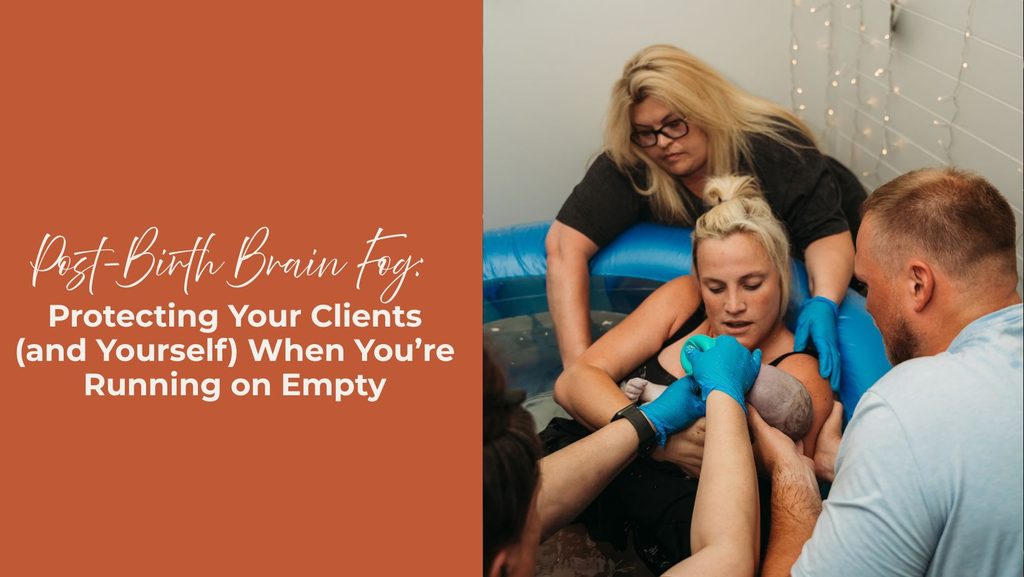
Walking through your front door after a grueling twenty-four-hour birth brings a very specific, unmatched sense of relief. You pull off your shoes, feel the quiet of your own home, and drop your bags by the entry. Your feet ache, your shoulders are tight from hours of hip squeezes, and your mind is operating in a thick haze of sleep deprivation. Your only objective is to shower and crawl into bed for twelve uninterrupted hours.
Then, just as your head hits the pillow, your phone buzzes on the nightstand.
You flinch, instantly expecting an emergency. You reach over, squint through the glare of the screen, and see a text message from a client who is currently 32 weeks pregnant:
“Hey! Quick question—did you say heartburn gets better or worse in the third trimester? Also, what brand of red raspberry leaf tea do you usually recommend?”
It is a completely innocent, valid question. But in this exact moment—running on zero sleep, completely drained from holding space for an intense labor—it feels like an overwhelming mountain of administrative effort.
This is the hidden crisis of solo birth work: the inability to turn off.
The Boundary Trap of the Solo Doula
Solo doulas enter this field out of deep empathy, calling, and commitment to maternal health. But that same dedication makes setting boundaries extremely difficult.
When you operate an independent practice, your personal cell phone is typically your business phone, your intake line, your dispatch alert, and your client support portal all rolled into one.
Because birth is unpredictable and true emergencies do happen, every single vibration from your phone triggers a spike of cortisol. You can’t simply ignore your phone after a birth because what if a second client went into labor early? But when non-urgent questions flood your inbox while you are trying to recover, you are forced to make a terrible choice:
- Respond immediately while running on empty: You compromise your own physical recovery, give fragmented advice through brain fog, and blur the boundary between urgent care and routine communication.
- Ignore the text completely: You sleep, but you lie in bed feeling a lingering hum of anxiety, worried that your client feels abandoned or uncared for.
Neither option is sustainable. Over time, this constant state of hyper-vigilance leads straight to emotional exhaustion, practice resentment, and eventual burnout.
Why Standard “Do Not Disturb” Settings Fail Birth Workers
Most small business owners rely on standard phone features like “Do Not Disturb” or automated out-of-office emails. But generic tools fail in birth work for one critical reason: they lack context.
A generic automated text that says “I am currently unavailable and will respond during regular business hours” works for a graphic designer or an accountant. It does not work for a doula whose clients rely on them for time-sensitive, high-stakes support.
If a client in active labor receives a cold, corporate “out of office” auto-reply, it creates instant panic. On the flip side, leaving your line wide open means every non-urgent question interrupts the vital rest window you need to safely attend your next birth.
Birth workers don’t need a blunt “off” switch; they need an intelligent holding space that protects their rest while maintaining trust with their clients.
Building a Practice System That Protects Your Recovery
Sustainable birth practices are built on clear boundaries, thoughtful automation, and systems that protect the practitioner’s physical health.
When you eliminate administrative friction around post-birth recovery, your entire business changes:
- Contextual Active Recovery: When you return home from a birth, putting your practice into “Recovery Mode” should take a single tap on your dashboard.
- Reassurance Without Interruption: Your active clients are automatically reassured that you are resting post-birth, providing clear guidance on who to contact for urgent labor alerts while holding non-critical messages in an organized queue.
- Organized Post-Birth Records: Instead of trying to recall timeline details, fluid changes, or labor milestones while exhausted, birth events logged in real-time are already cleanly organized and saved to the client’s file for your follow-up visit.
Rest Is an Operational Requirement
Self-care isn’t a luxury in birth work—it is professional infrastructure. You cannot provide intuitive, grounded, calm support during a difficult birth if your own cup is permanently empty.
Protecting your sleep isn’t selfish; it’s how you ensure that when the next 2 AM call comes, you are fully present, sharp, and ready to serve. Your practice infrastructure should guard your well-being just as fiercely as you guard your clients.